


Terroir vs Tariffs: Deciphering the French Wine Export Paradox
From midday carafes to premium international prestige: how French winemakers balance ancestral pride with global reality.
01. The Great Domestic Consumption Collapse
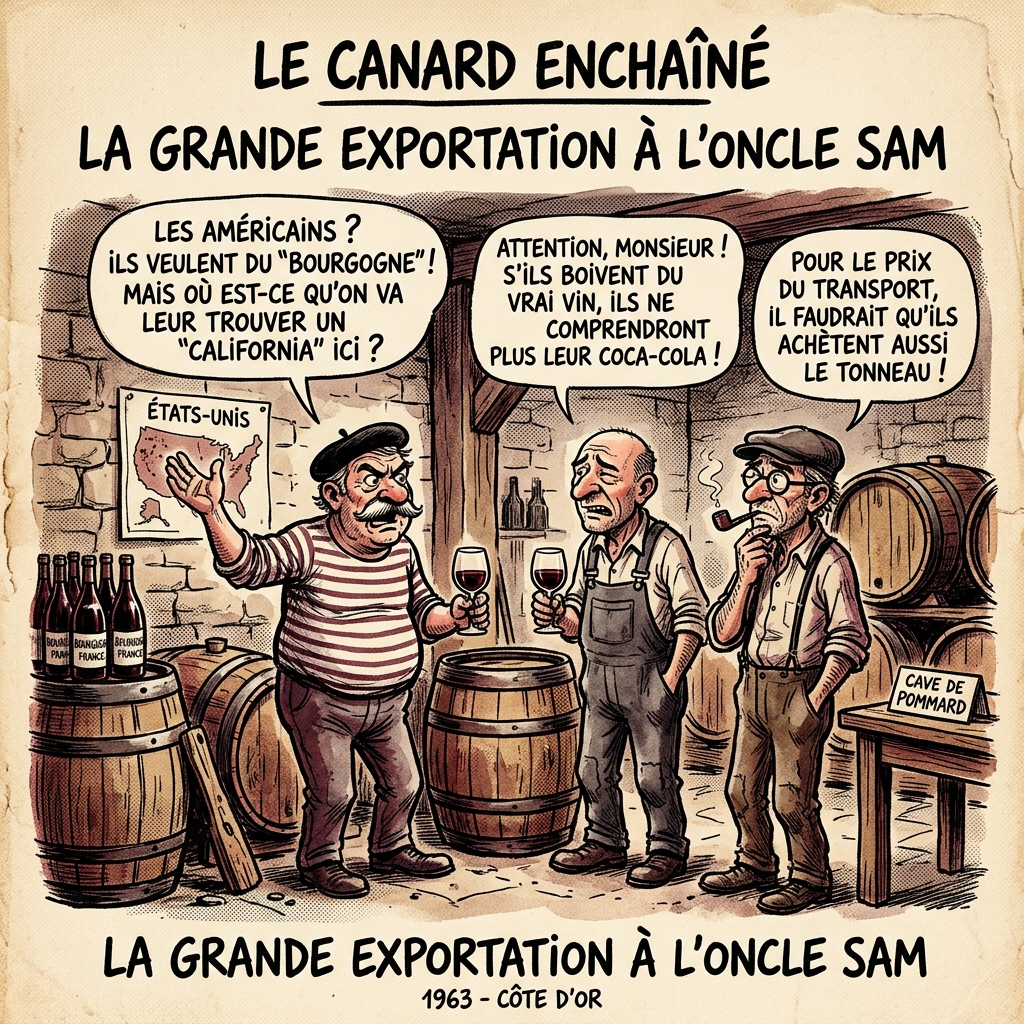
In the 1960s, the average French adult consumed over 120 liters of wine per year. It was a staple of daily life, served at factory cafeterias and university dining halls. Today, consumption has plummeted to under 40 liters, with wine transitioning from a daily thirst-quencher into an occasional, premium tasting experience.
This seismic shift pushed winemakers to seek passionate international connoisseurs who value vintage appellations and sustainable bio-dynamic viticulture.
Le Terroir
The holy trinity of soil geology, local microclimate, and generations of human craftsmanship.
L’AOC / AOP
Appellation d’Origine Contrôlée: strict legal certification guarding regional production.
Un Vin de Soif
An approachable, low-tannin wine meant to be enjoyed casually with charcuterie.
02. How to Order Wine in a Parisian Bistro Like a Pro
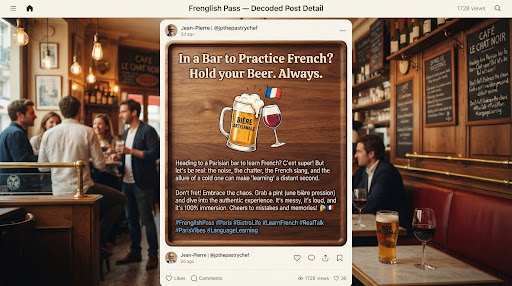
Avoid pointing at the cheapest house wine. Instead, tell the server what you are eating and ask: “Qu’est-ce que vous me conseillez comme vin nature ou un rouge léger ?” (What do you recommend as a natural wine or light red?) The server will enthusiastically bring a bottle from an independent producer.
03. The Natural Wine (Vin Nature) Revolution
Paris is now the epicenter of low-intervention wines without added sulfites. Ordering an orange wine or pét-nat in the 11th arrondissement is the definitive badge of contemporary Parisian taste.
Want to experience native French fluently?
In the Frenglish Pass Adult Course, we dive deep into real native expressions, street slang, bistro banter, and everyday paperwork survival without tears.